
Ice Making Equipment Manufacturer Quality First, Innovating in Refrigeration & Ice Making


-
+86 180 4692 4866
-
Popular Searches:Ice Maker, Flake Ice Machine, Block Ice Machine, Cube Ice Machine, Tube Ice Machine
Ice Making Equipment Manufacturer Quality First, Innovating in Refrigeration & Ice Making
+86 180 4692 4866
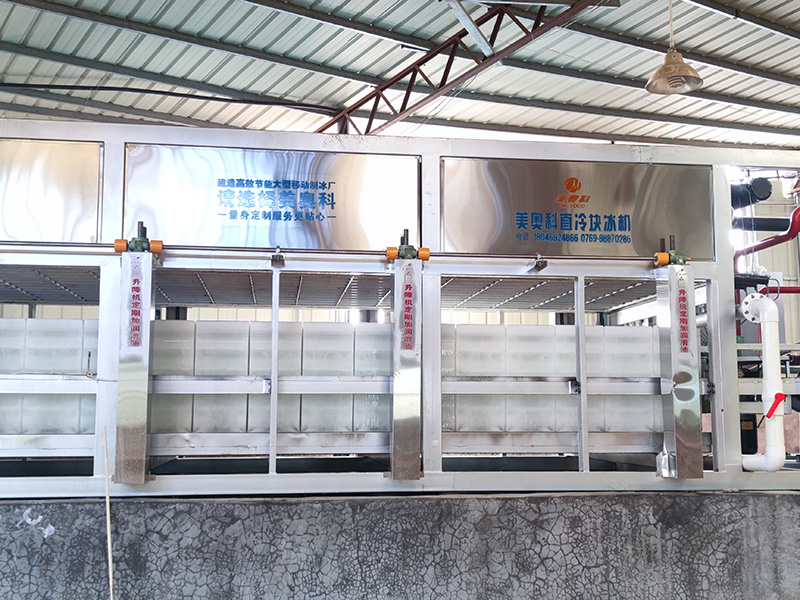
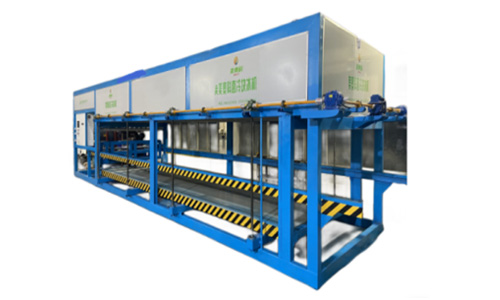
In industrial ice production, direct‑cooling block ice machines often encounter quality issues such as uneven ice thickness, hollow cores, cloudiness, and cracks. These defects prevent the ice from meeting the high‑end requirements of cold‑chain preservation, chemical cooling, and food processing, leading to material waste and production delays. In most cases, these problems are not caused by equipment failure, but rather by improper adjustment of water quality, temperature, and operating parameters, and can be effectively improved with targeted corrective actions.
The first factor is substandard feed water quality. If untreated ordinary water is used, containing sediment, minerals, impurities, and air bubbles, these contaminants become trapped inside the ice during freezing, resulting in cloudy, opaque ice. Accumulated bubbles create hollow, loose structures that reduce ice density and durability. The second factor is imbalance in equipment temperature and refrigerant supply parameters. Uneven temperature distribution across the evaporator plate is a core issue. Unstable refrigerant flow and abnormal solenoid valve operation cause significant temperature variations across different zones of the evaporator plate, leading to excessively fast freezing in some areas and slow freezing in others, ultimately producing ice with large thickness variations. Meanwhile, excessive ambient temperature fluctuations and high workshop humidity cause rapid frost formation on the ice surface and localized uneven heating, resulting in cracking and surface flaking after freezing. Additionally, improper ice‑making cycle settings—too short a cycle leaves the ice inadequately frozen and loose, while too long a cycle results in overly thick ice with cracked edges, compromising overall quality.
To ensure stable ice quality, feed water standards must be regulated. Dedicated water circulation and filtration equipment should be installed, with filters replaced regularly to remove impurities and air bubbles, and clean water sources should be used for ice production. At the same time, the refrigeration supply system must be precisely calibrated, solenoid valve operation optimized, and evaporator plate temperature balanced across the entire surface to ensure uniform freezing. Ice‑making parameters should be fine‑tuned according to ambient temperature changes to mitigate quality impacts under high‑temperature, high‑humidity conditions. Regular cleaning of the evaporator plate to keep its surface smooth and clean, combined with comprehensive control across water quality, parameters, and maintenance, will consistently produce dense, clear, and uniformly sized ice blocks that meet quality standards.
 中文站
中文站
 English