
Ice Making Equipment Manufacturer Quality First, Innovating in Refrigeration & Ice Making


-
+86 180 4692 4866
-
Popular Searches:Ice Maker, Flake Ice Machine, Block Ice Machine, Cube Ice Machine, Tube Ice Machine
Ice Making Equipment Manufacturer Quality First, Innovating in Refrigeration & Ice Making
+86 180 4692 4866
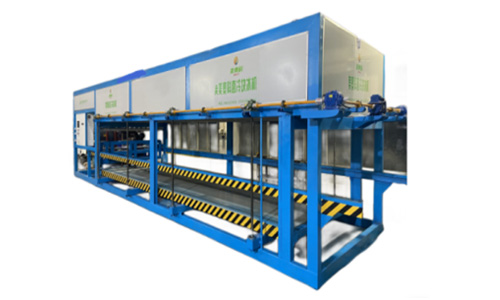
To ensure long‑term stable operation, extend equipment service life, and maintain ice quality for brine‑type block ice machines, standardized daily maintenance is essential. This machine type relies on a brine circulation system, with core maintenance focused on four key areas: the brine system, refrigeration unit, ice moulds, and water circuit cleaning. Proper maintenance effectively reduces equipment failure rates, stabilizes ice production efficiency, minimizes energy loss, and prevents component damage and production decline caused by prolonged operation under suboptimal conditions. Daily maintenance is divided into three dimensions: routine inspections, regular cleaning, and periodic overhauls.
Routine inspections must be performed daily. Before startup, check that the refrigeration unit's pressure and temperature are within standard ranges, and verify that the brine tank level and brine concentration meet requirements – avoid concentrations that are too low (slowing ice production) or too high (causing corrosion). Simultaneously, inspect the circulation pump and brine piping for leaks, blockages, or abnormal pump noises to ensure smooth brine circulation. After each ice‑making cycle, promptly check the ice moulds, remove residual debris and standing water, and prevent long‑term accumulation of scale and contaminants that could affect ice forming quality and heat exchange efficiency.
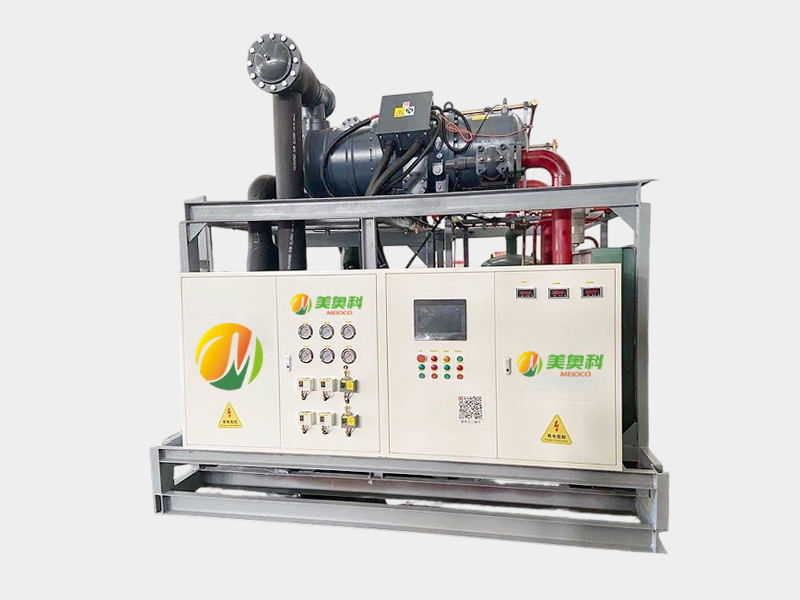
Regular cleaning should be carried out weekly and monthly. Weekly: clean dust and debris from the condenser surface to ensure proper heat dissipation and avoid efficiency loss due to high temperature and pressure. Monthly: thoroughly remove sediment and impurities from the brine tank, replace aged brine, and reconfigure to standard concentration to prevent impurity buildup that could corrode equipment or contaminate ice. Quarterly: perform comprehensive inspections of the refrigeration compressor, valves, and piping – check refrigerant charge, identify potential leaks, and secure electrical connections and fittings. During prolonged shutdowns, drain the brine and standing water, clean the equipment, and apply dust protection measures. These practices effectively prevent corrosion, rust, and scaling, ensuring stable and long‑lasting equipment operation.
 中文站
中文站
 English