
Ice Making Equipment Manufacturer Quality First, Innovating in Refrigeration & Ice Making


-
+86 180 4692 4866
-
Popular Searches:Ice Maker, Flake Ice Machine, Block Ice Machine, Cube Ice Machine, Tube Ice Machine
Ice Making Equipment Manufacturer Quality First, Innovating in Refrigeration & Ice Making
+86 180 4692 4866
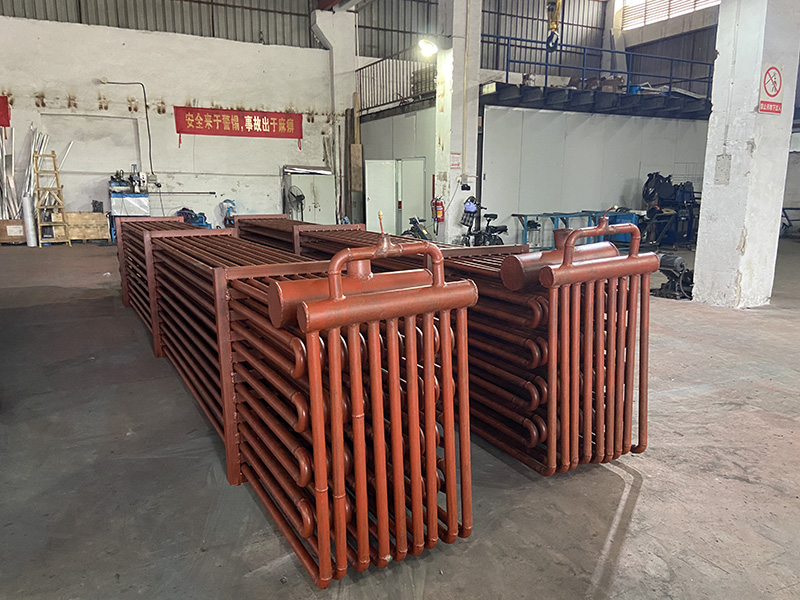
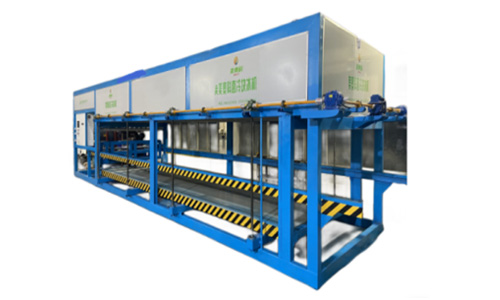
Both brine‑type and direct‑cooling block ice machines are industrial large‑block ice production equipment, producing ice of similar appearance. However, they differ fundamentally in ice‑making principle, equipment structure, ice quality, energy consumption, and maintenance approach, and are suited to distinctly different production scenarios. Users should select the appropriate model based on their ice quality requirements. The most critical difference lies in the heat exchange method: brine‑type block ice machines use indirect heat exchange, with the brine tank serving as the heat transfer medium. The refrigerant cools the brine, which then freezes the water inside the ice moulds. Direct‑cooling block ice machines use direct evaporative heat exchange, where the refrigerant directly exchanges heat within the evaporator plate, and water freezes upon direct contact with the chilled plate surface.
In terms of ice quality and production efficiency, direct‑cooling machines produce ice without any intermediate medium, resulting in clear, impurity‑free ice with higher density and purity, and slower melting rates – ideal for high‑end cold‑chain and food processing applications that require high ice cleanliness. Brine‑type machines may entrain trace amounts of brine during the freezing process, resulting in slightly lower transparency and minor salt residues on the surface, with lower purity, making them unsuitable for applications involving direct food contact. Additionally, direct‑cooling machines offer shorter freezing cycles, higher heat exchange efficiency, and lower energy consumption, while brine‑type machines have a longer heat exchange path, relatively higher energy use, and longer freezing cycles.
Equipment structure and maintenance costs also differ significantly. Brine‑type block ice machines feature a simpler structure, lower failure rates, and lower capital costs, with good tolerance to extreme temperatures – suitable for high‑intensity continuous production. However, they require regular brine concentration adjustment and cleaning of brine tank impurities, resulting in more cumbersome maintenance procedures. Direct‑cooling block ice machines have a more sophisticated structure, require no brine medium, and offer simpler maintenance with no need for frequent parameter adjustments, though they come with higher capital costs. Overall, brine‑type machines offer higher cost‑performance, durability, and stable high‑volume production, while direct‑cooling machines excel in ice purity, energy efficiency, and maintenance convenience – each suited to different tiers of industrial ice production applications.
 中文站
中文站
 English