4News
You are here: Home ->  News
2026
-
08
-
21
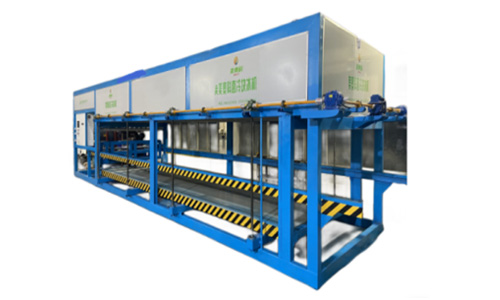
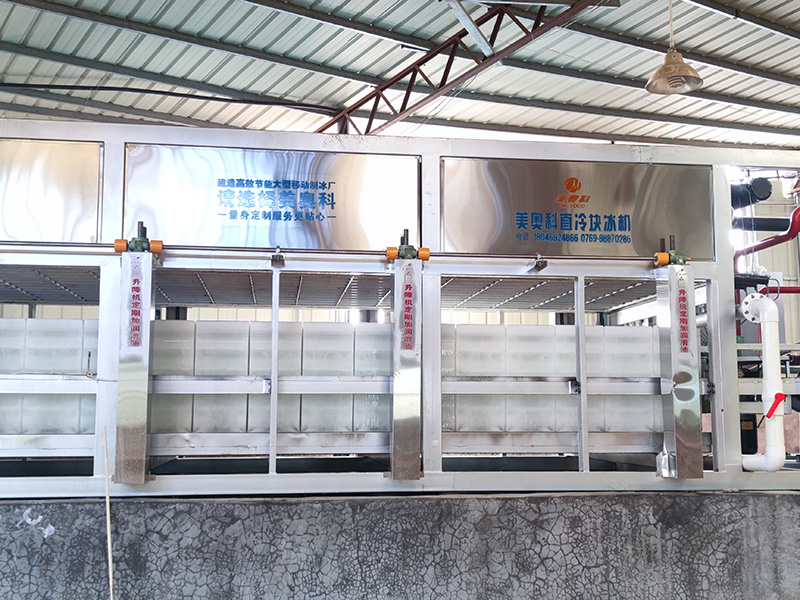
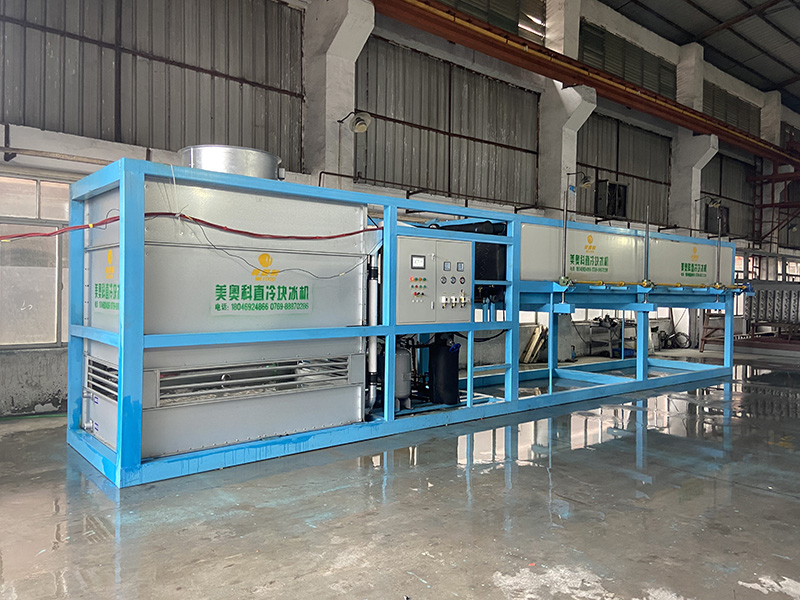
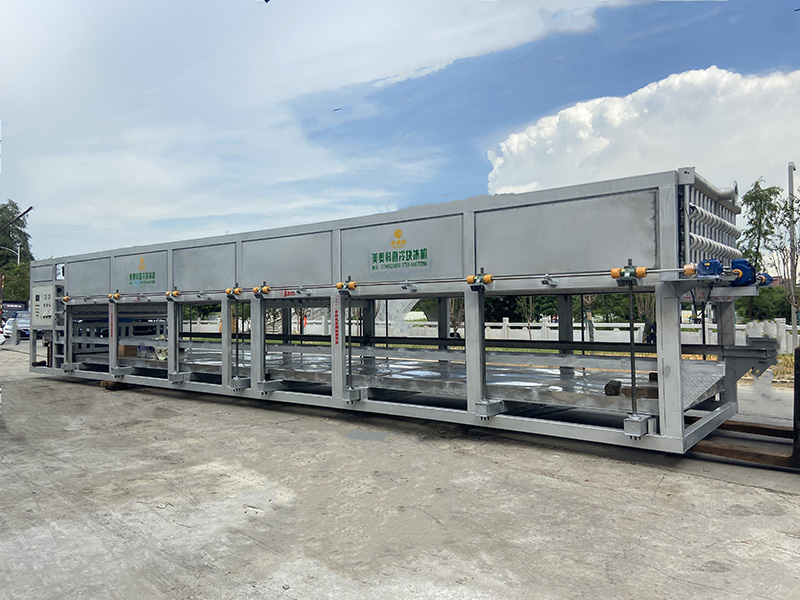
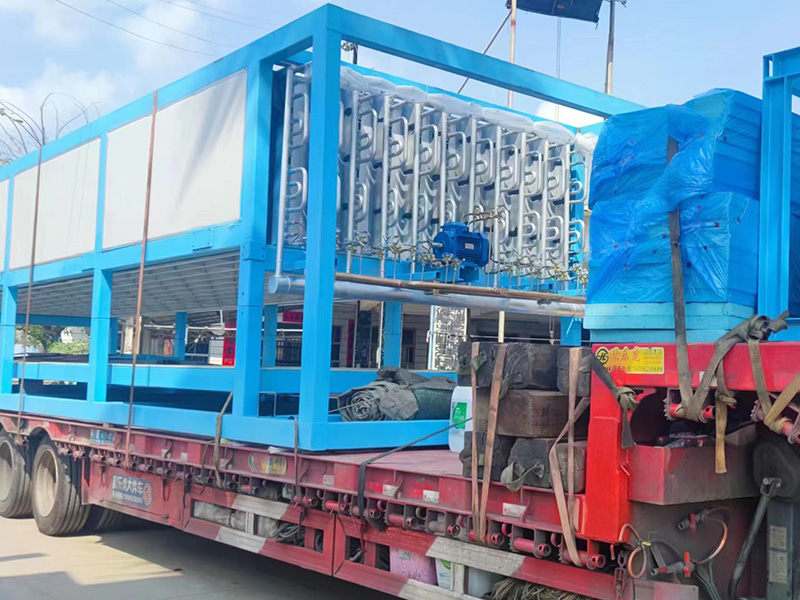
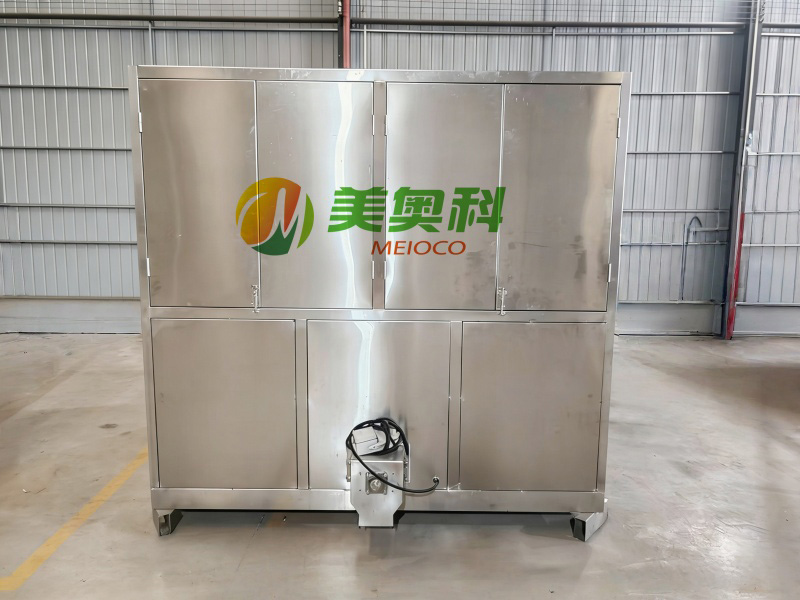
In industrial ice production, direct‑cooling block ice machines often encounter quality issues such as uneven ice thickness, hollow cores, cloudiness, and cracks. These defects prevent the ice from meeting the high‑end requirements of cold‑chain preservation, chemical cooling, and food processing, leading to material waste and production delays. In most cases, these problems are not caused by equipment failure, but rather by improper adjustment of water quality, temperature, and operating parameters, and can be effectively improved with targeted corrective actions.The first factor is substandard feed water quality. If untreated ordinary water is used, containing sediment, minerals, impurities, and air bubbles, these contaminants become trapped inside the ice during freezing, resulting in cloudy, opaque ice. Accumulated bubbles create hollow, loose structures that reduce ice density and durability. The second factor is imbalance in equipment temperature and refrigerant supply parameters. Uneven temperature distribution across the evaporator plate is a core issue. Unstable refrigerant flow and abnormal solenoid valve operation cause significant temperature variations across different zones of the evaporator plate, leading to excessively fast freezing in some areas and slow freezing in others, ultimately producing ice with large thickness variations. Meanwhile, excessive ambient temperature fluctuations and high workshop humidity cause rapid frost formation on the ice surface and localized uneven heating, resulting in cracking and surface flaking after freezing. Additionally, improper ice‑making cycle settings—too short a cycle leaves the ice inadequately frozen and loose, while too long a cycle results in overly thick ice with cracked edges, compromising overall quality.

2026
-
08
-
21
To ensure long‑term stable operation, extend equipment service life, and maintain ice quality for brine‑type block ice machines, standardized daily maintenance is essential. This machine type relies on a brine circulation system, with core maintenance focused on four key areas: the brine system, refrigeration unit, ice moulds, and water circuit cleaning. Proper maintenance effectively reduces equipment failure rates, stabilizes ice production efficiency, minimizes energy loss, and prevents component damage and production decline caused by prolonged operation under suboptimal conditions. Daily maintenance is divided into three dimensions: routine inspections, regular cleaning, and periodic overhauls.
2026
-
08
-
21
Both brine‑type and direct‑cooling block ice machines are industrial large‑block ice production equipment, producing ice of similar appearance. However, they differ fundamentally in ice‑making principle, equipment structure, ice quality, energy consumption, and maintenance approach, and are suited to distinctly different production scenarios. Users should select the appropriate model based on their ice quality requirements. The most critical difference lies in the heat exchange method: brine‑type block ice machines use indirect heat exchange, with the brine tank serving as the heat transfer medium. The refrigerant cools the brine, which then freezes the water inside the ice moulds. Direct‑cooling block ice machines use direct evaporative heat exchange, where the refrigerant directly exchanges heat within the evaporator plate, and water freezes upon direct contact with the chilled plate surface.
2026
-
08
-
21
Ice release failure is a common issue in direct‑cooling block ice machines, typically manifesting as slow ice release, partial ice adhesion to the evaporator plate, or complete failure of automatic ice release. This not only disrupts production continuity but also risks damaging the evaporator plate during manual removal, increasing equipment wear and significantly raising maintenance costs. The root causes of this problem are concentrated in three areas: the defrost system, equipment scaling, and parameter settings. Most cases can be resolved quickly through systematic troubleshooting. The first cause is defrost system malfunction. Direct‑cooling block ice machines rely on hot‑gas valves or electric heating assemblies for automatic ice release. If the defrost solenoid valve is stuck, wiring is loose, the valve core is aged, or the heating assembly is damaged or has faulty power supply, insufficient defrost heat and poor hot‑gas circulation will prevent the ice from separating from the evaporator plate, resulting in adhesion and release failure.
2026
-
08
-
21
In long‑term industrial operation, the most common issue with direct‑cooling block ice machines is slowed ice production and failure to meet daily output targets. Most users mistakenly attribute this to equipment aging or failure, but in most cases it is caused by inadequate routine maintenance or improper operating conditions, and can be resolved through targeted troubleshooting. The first cause is abnormal heat dissipation. Direct‑cooling block ice machines rely on the condenser for heat rejection to complete the refrigeration cycle. If the equipment is placed in a poorly ventilated, high‑temperature workshop area, and the condenser surface becomes clogged with dust, oil, or lint, heat dissipation is directly compromised. This raises the unit's high‑side pressure and significantly reduces compressor efficiency, substantially lengthening the ice‑making cycle. This effect is particularly pronounced in summer when high ambient temperatures amplify the performance loss caused by poor heat dissipation, and in severe cases, may trigger high‑pressure alarms and intermittent shutdowns.
2026
-
08
-
21
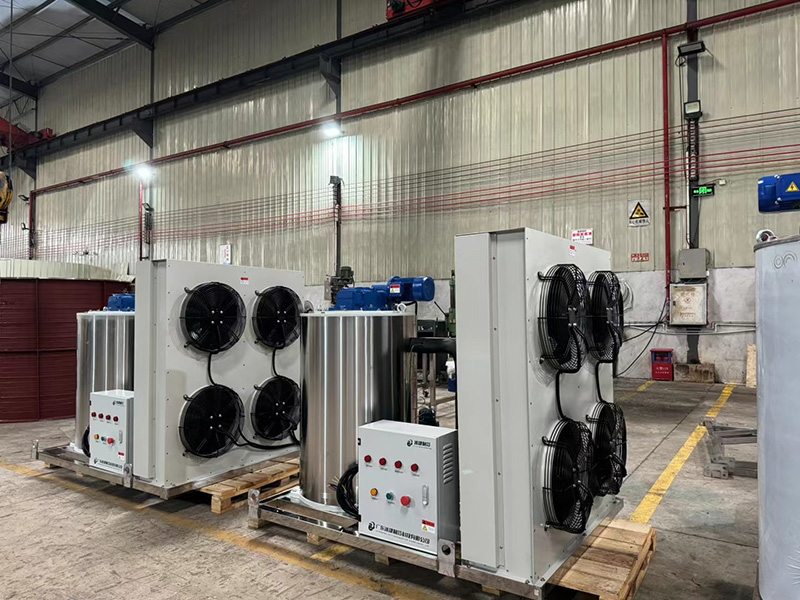
In the field of industrial ice making, direct-cooling block ice machines and flake ice machines are the two most widely used types of ice-making equipment. They differ significantly in ice-making principle, ice shape, structural characteristics, production efficiency, and application scenarios. Users should select based on their production requirements. The first difference lies in the ice-making principle. Direct-cooling block ice machines adopt a direct evaporative heat exchange mode, where water freezes through direct contact with the evaporator plate without any intermediate heat transfer medium, and ice release is achieved via hot gas defrost. In contrast, flake ice machines typically use a drum-type external scraping structure, where ice continuously forms on the drum surface and is scraped off by an external blade, operating in a continuous dynamic ice-making mode.
2026
-
08
-
21
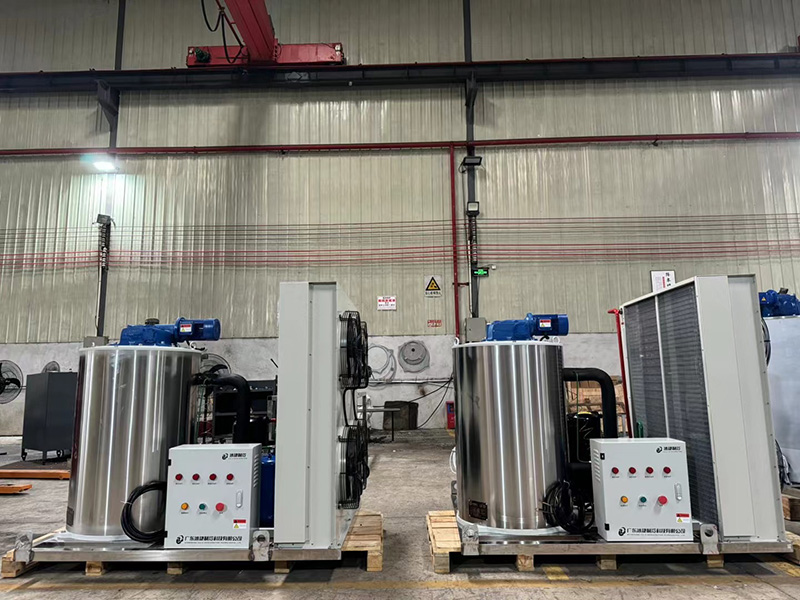
As continuous‑operation ice making equipment, flake ice machines are prone to various operational issues under prolonged high‑frequency running. Most faults stem from inadequate routine maintenance, unsuitable operating conditions, and parameter misadjustments. Common problems center on abnormal ice output, uneven ice thickness, unusual machine noises, and reduced production capacity, all of which can be quickly resolved through standardized troubleshooting. The first issue is insufficient ice output and reduced production efficiency, typically caused by poor heat dissipation, scaling from water quality, or refrigerant abnormalities. Enclosed high‑temperature environments impair condenser heat dissipation, causing compressor high‑pressure overload and significantly reducing refrigeration efficiency. Meanwhile, impurities and scale deposits on the ice‑making drum surface lower heat exchange efficiency, resulting in thinner ice layers and a sharp drop in output.
2026
-
08
-
21
Industrial cube ice machines have become the mainstream ice‑making equipment in cold‑chain logistics, industrial cooling, and seafood preservation. With their uniform ice shape, stable performance, and low operational loss, they are the preferred choice for ice‑making operations of all scales. Compared with flake ice or crushed ice systems, cube ice machines produce consistently sized, dense blocks that are adaptable to a wide range of applications. Their reliable operation and easy maintenance make them well suited for continuous industrial production, offering a compelling combination of advantages.
2026
-
08
-
21
When selecting industrial ice-making equipment, users should consider their specific ice-use scenarios, ice demand, storage conditions, and operating environment to choose between direct-cooling block ice machines and flake ice machines accordingly, avoiding mismatched selection that leads to low production efficiency and unnecessary costs. First, distinguish the choice based on the purpose of ice use and cooling requirements. If rapid cooling and instant temperature control are needed—such as in concrete mixing, chemical reaction cooling, rapid food pre-cooling, or fresh meat slaughtering and cooling—a flake ice machine is the preferred option. Flake ice has a large contact area and melts quickly, effectively removing heat and meeting short-term extreme cooling needs.
   Total9  Total Pages1 | Current Page1  9First Page   7Previous   Next8   Last Page:  Go