
Ice Making Equipment Manufacturer Quality First, Innovating in Refrigeration & Ice Making


-
+86 180 4692 4866
-
Popular Searches:Ice Maker, Flake Ice Machine, Block Ice Machine, Cube Ice Machine, Tube Ice Machine
Ice Making Equipment Manufacturer Quality First, Innovating in Refrigeration & Ice Making
+86 180 4692 4866
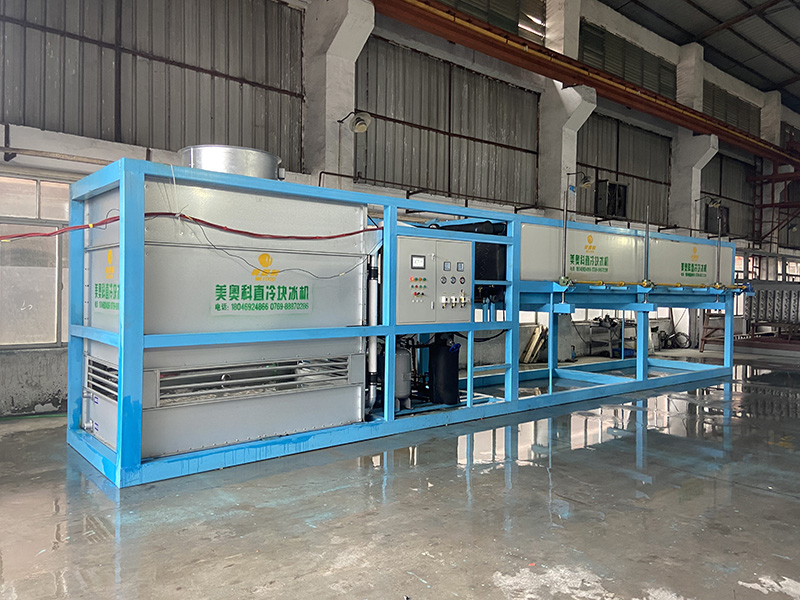
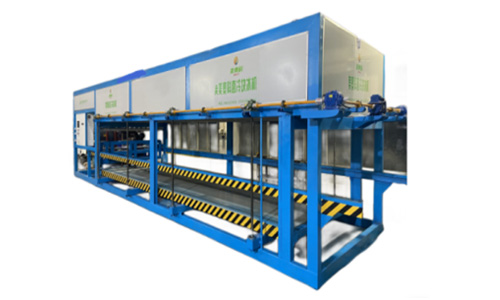
Ice release failure is a common issue in direct‑cooling block ice machines, typically manifesting as slow ice release, partial ice adhesion to the evaporator plate, or complete failure of automatic ice release. This not only disrupts production continuity but also risks damaging the evaporator plate during manual removal, increasing equipment wear and significantly raising maintenance costs. The root causes of this problem are concentrated in three areas: the defrost system, equipment scaling, and parameter settings. Most cases can be resolved quickly through systematic troubleshooting. The first cause is defrost system malfunction. Direct‑cooling block ice machines rely on hot‑gas valves or electric heating assemblies for automatic ice release. If the defrost solenoid valve is stuck, wiring is loose, the valve core is aged, or the heating assembly is damaged or has faulty power supply, insufficient defrost heat and poor hot‑gas circulation will prevent the ice from separating from the evaporator plate, resulting in adhesion and release failure.
Equipment scaling is the most common cause. In units that have not been descaled for extended periods, a thick, dense scale layer forms on the evaporator plate surface. This not only increases the adhesion between ice and the plate but also causes uneven temperature conduction, leading to localized strong adhesion during ice formation, which cannot be overcome by standard defrosting. Additionally, improper equipment parameter settings can cause release failure. Excessively long ice‑making cycles or overly thick ice layers significantly increase the defrost load, exceeding the rated capacity of the defrost system and resulting in release failure. Furthermore, after prolonged operation, localized deformation or uneven surface wear of the evaporator plate can cause uneven ice adhesion, making release difficult in certain areas.
Troubleshooting should begin with a thorough check of the defrost system: secure all electrical connections, inspect and replace faulty solenoid valves or heating components to restore proper defrost operation. Implement a regular descaling and cleaning schedule, and smooth the evaporator plate surface to eliminate scale‑related adhesion risks. At the same time, adjust ice‑making cycle duration appropriately to match standard ice thickness and avoid overload conditions. During routine maintenance, periodically test the defrost function to detect potential issues early, preventing ice release interruptions during mass production and ensuring fully automated operation.
 中文站
中文站
 English